Choose the Right Pilates Ladder Barrel for Your Practice
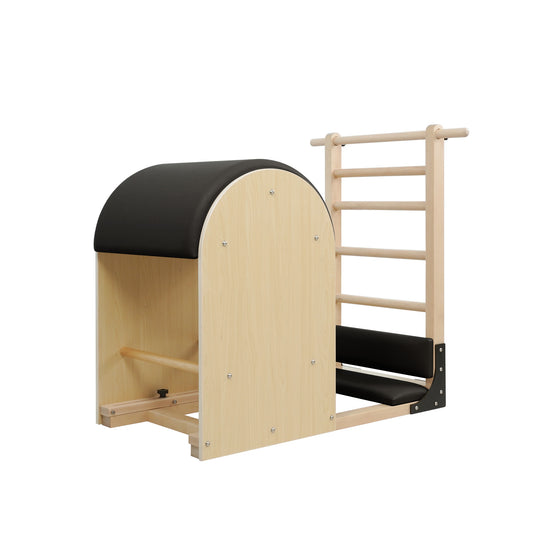
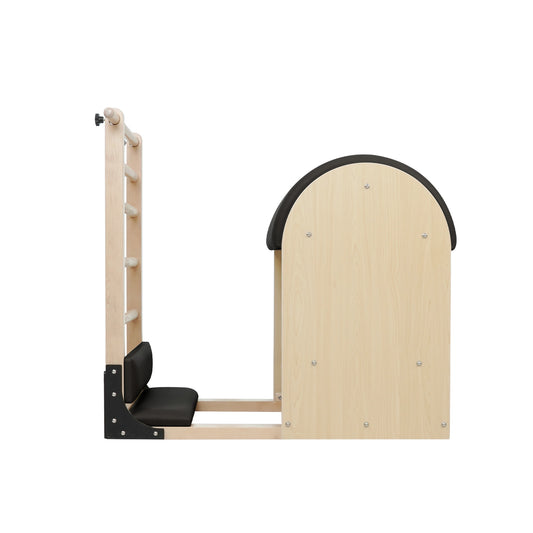
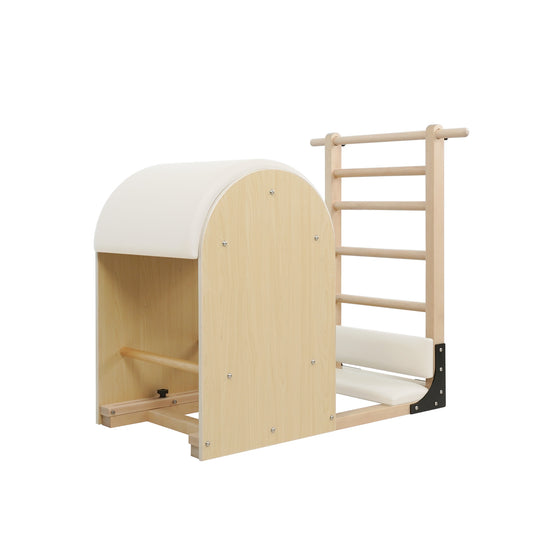
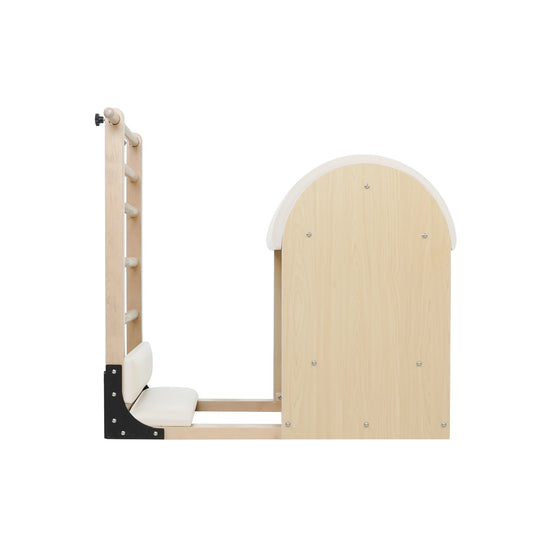
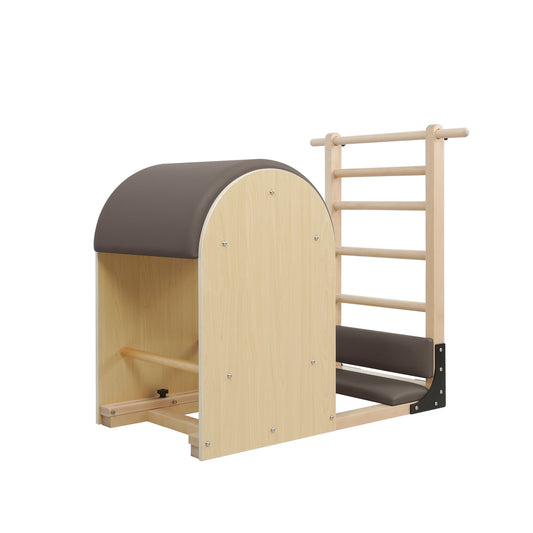
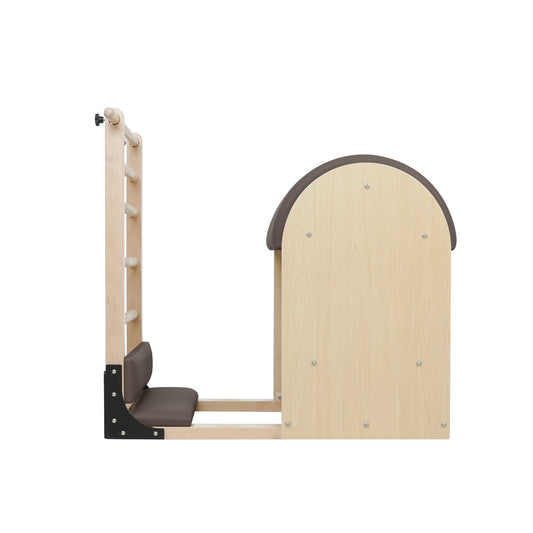
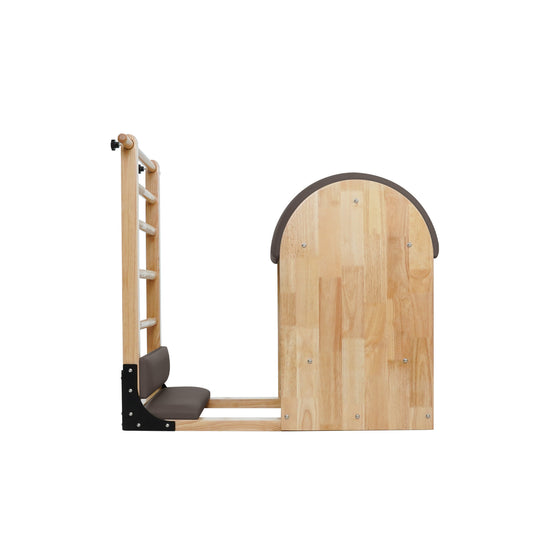
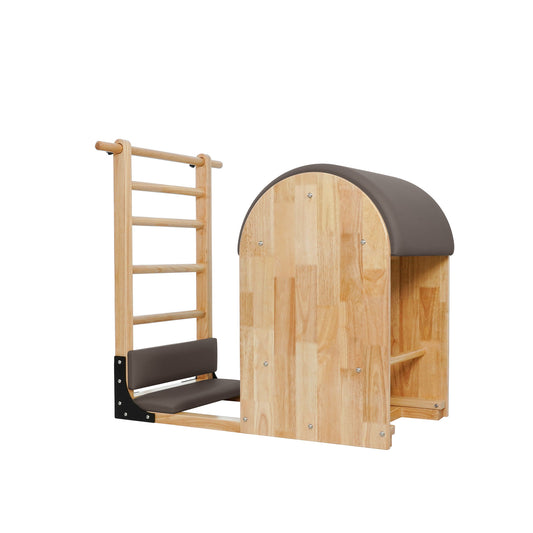
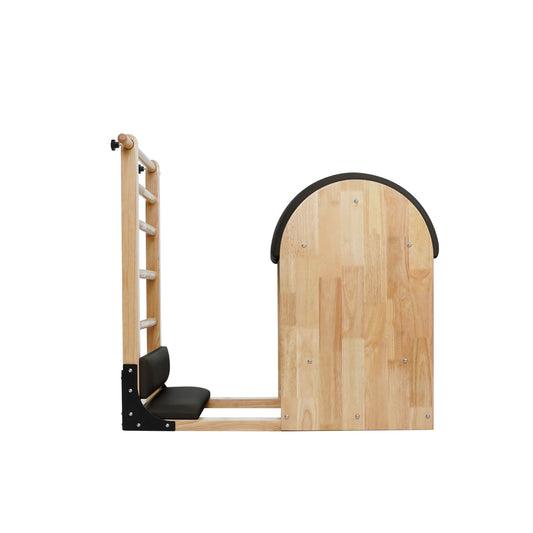
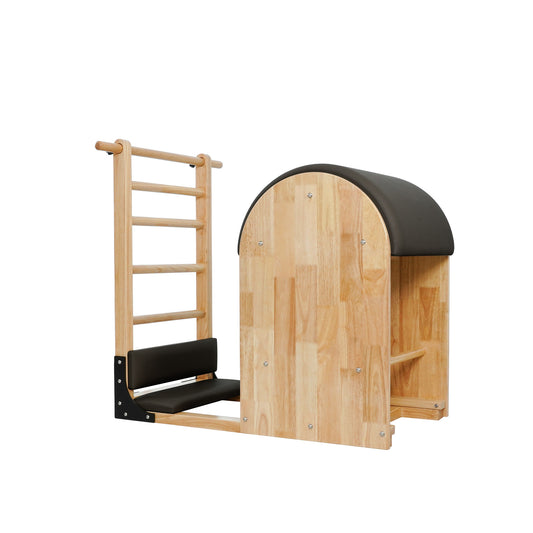
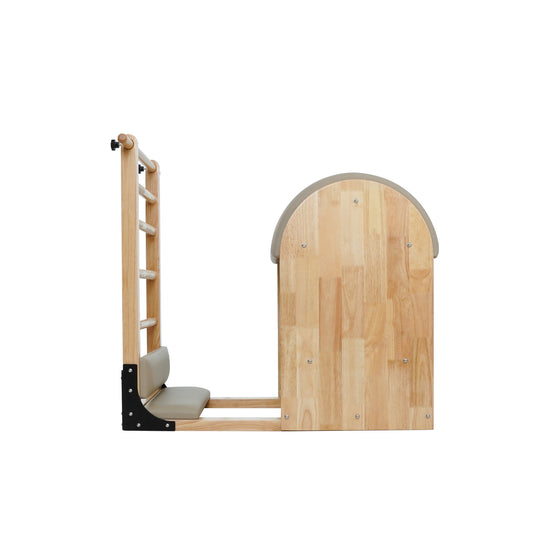
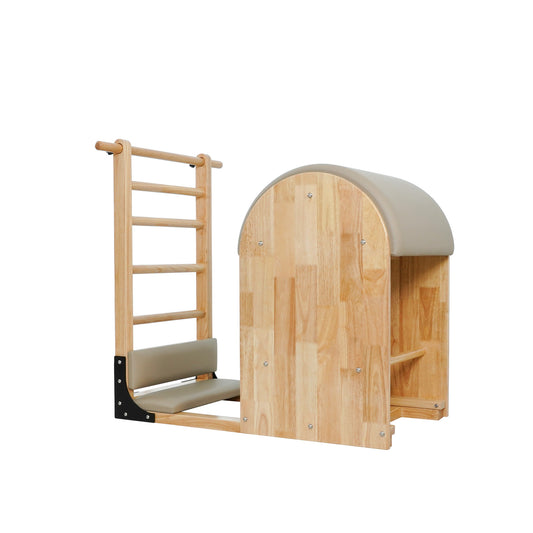
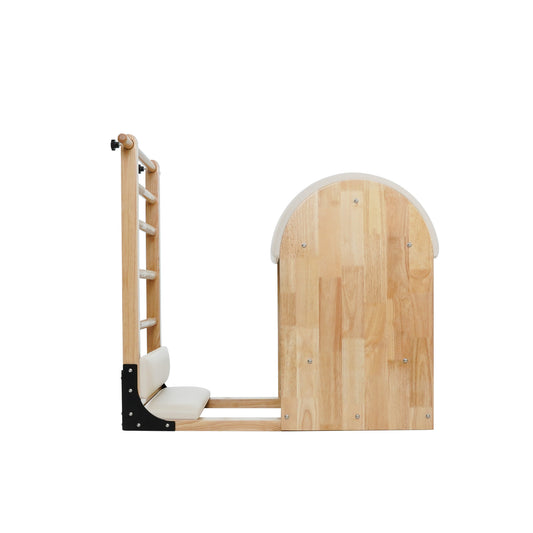
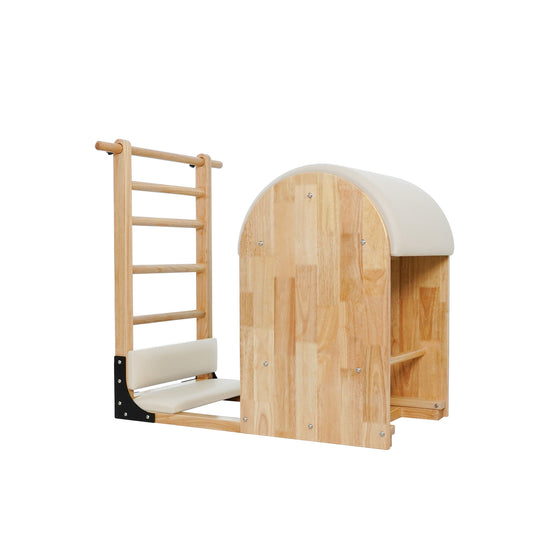
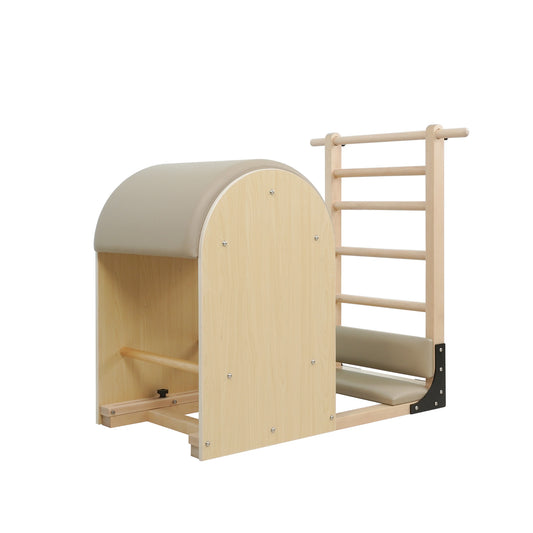
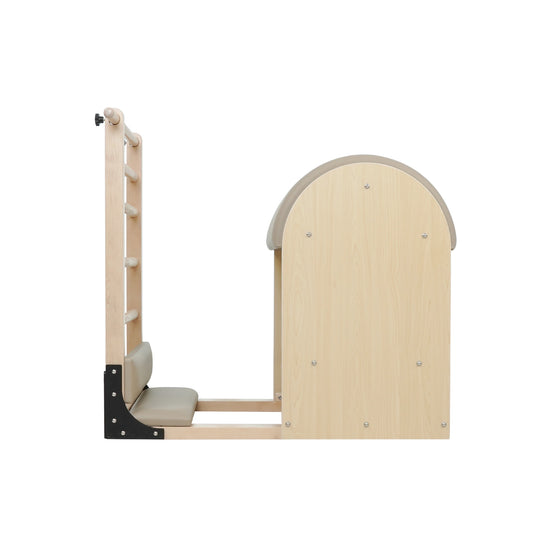
A Pilates Ladder Barrel gives you a curved, padded surface for supported movement and a four-rung ladder for positioning your hands or feet. By adjusting the sliding base, you can change the distance between the barrel and ladder to better suit your height, proportions and exercise setup.
The 1GKU collection includes eight Ladder Barrels in Maple and Oak. Both series share the same functional design, so you do not need to choose between two different exercise systems. Your decision comes down primarily to wood preference, upholstery color and budget.
Compare 1GKU Maple and Oak Ladder Barrels
Because the functional structure is the same, choosing the more expensive series does not give you a different exercise repertoire. You can focus on which wood, color and price work best for your Pilates space.
Choose Maple if:
- You prefer the lighter, finer appearance of maple wood;
- You want a Grey upholstery option;
- You already have maple Pilates equipment that you want to match;
- You prefer the Maple series regardless of its higher current price.
Choose Oak if:
- You prefer the more visible grain and warmer appearance of oak;
- You want the exclusive Mocha finish;
- You want the lower current price;
- You already have oak equipment or furniture in your training space.
Choose your upholstery color by space
- Black gives you the strongest contrast and is easy to coordinate with most Pilates equipment.
- White creates a lighter, cleaner appearance in bright rooms.
- Latte gives you a warm neutral option in either wood series.
- Grey is available in the Maple series and works well in cooler, modern interiors.
- Mocha is available in the Oak series and provides the deepest warm-toned finish.
If color is your only deciding factor, choose from the product cards above. You will receive the same core Ladder Barrel functionality within either wood series.
How the Adjustable Ladder Barrel Fits You
The distance between the barrel and ladder affects how you position your body. If the two sections are too close or too far apart, it may be difficult for you to reach the appropriate rung or establish a comfortable starting position.
The sliding base allows you to move the barrel relative to the ladder. This helps you adapt the apparatus for:
- Different torso lengths;
- Different leg lengths;
- Different hand and foot positions;
- Standing, seated, side-facing or prone exercises;
- Multiple users in a home or Pilates studio.
Before you begin, move the barrel to the required position and make sure the base is fully secured. Do not adjust the sliding base while someone is supported on the apparatus.
The four ladder rungs give you several hand and foot positions without changing the basic structure of the equipment. Your instructor can help you select an appropriate rung and barrel distance for each exercise.
Is a Ladder Barrel the Right Apparatus for You?
A Ladder Barrel may be a good choice if you want:
- A full-size curved surface rather than a small portable barrel;
- Multiple ladder positions for your hands and feet;
- Adjustable spacing for different exercises and users;
- Supported extension, flexion and side-bending work;
- An apparatus that complements your Reformer, Cadillac or mat practice;
- A permanent piece of equipment for a home training room or studio.
It may not be the best first choice if you need equipment that folds, moves frequently or fits inside a closet. If portability is your main concern, a Spine Corrector or Arc Barrel will usually require less space.
You should also consider your Pilates experience. Although the apparatus can support basic movement, it is also used for exercises that require substantial mobility, strength and body control. If you are new to Ladder Barrel work, learn the setup and exercise progressions from a qualified Pilates instructor.
What Can You Do on a Pilates Ladder Barrel?
The curved barrel supports your body while the ladder provides stable points for your hands or feet. This combination can be used for several types of controlled Pilates movement:
- Spinal flexion and extension;
- Lateral flexion and side-body work;
- Hip and hamstring mobility;
- Abdominal and trunk-control exercises;
- Supported back-extension work;
- Exercises in which your hands or feet are anchored on the ladder;
- Preparatory work for movements performed on other Pilates apparatus.
Common Ladder Barrel repertoire includes variations of Swan, Mermaid, Side Sit-Up, Short Box and Horseback.
The collection page should help you understand the capability of the apparatus, but it should not replace exercise instruction. Your correct barrel position, rung selection and movement range depend on the exercise and your individual ability.
Ladder Barrel vs. Spine Corrector: Which Should You Buy?
A Ladder Barrel and Spine Corrector both provide a curved surface, but they serve different space and positioning needs.
Choose a Ladder Barrel if you specifically want the four-rung ladder, adjustable sliding base and broader positioning options.
Choose a Spine Corrector if you mainly want a portable curved surface and do not need an attached ladder.
Plan Your Space Before You Buy
Do not measure only the physical footprint of the apparatus. You also need enough room to get on and off the barrel and to perform movements that extend beyond its sides or ends.
Before ordering, measure:
- The permanent floor area for the equipment;
- Clearance on both sides of the barrel;
- Space behind the ladder and in front of the barrel;
- Ceiling height for upright movements;
- Doorways, hallways and corners along the delivery route.
You should also decide where the Ladder Barrel will remain after assembly. It is a substantial piece of Pilates equipment, not an apparatus designed to be stored after each session.
If your room also contains a Reformer or Cadillac, leave enough space to use each apparatus independently. Avoid positioning the Ladder Barrel where another piece of equipment blocks the ladder or sliding-base adjustment.
Choosing a Ladder Barrel for Your Home
For a home Pilates space, ask yourself:
- Do you have a permanent place for it?
- Can the package pass through your doors and hallways?
- Can you leave safe clearance around it?
- Have you previously used a Ladder Barrel with an instructor?
- Will you use the ladder and adjustable base, or would a smaller Spine Corrector meet your needs?
- Which wood and upholstery finish best match your room?
If you have limited space, mark the apparatus footprint and intended movement area on the floor with removable tape before ordering. This gives you a more realistic idea of how the equipment will fit than measurements alone.
Choosing a Ladder Barrel for Your Studio
If you are selecting equipment for a Pilates studio, the shared functional design of the Maple and Oak series makes your decision simpler. You can choose the wood and colors that coordinate with your existing equipment without changing how instructors use the Ladder Barrel.
Consider:
- Whether your existing equipment uses Maple or Oak;
- Which upholstery color fits your studio;
- How many clients will use the apparatus;
- Whether the sliding base is easy for instructors to adjust;
- How you will clean and inspect the upholstery;
- Where the apparatus will be positioned;
- Whether your delivery route can accommodate the package;
- Which warranty applies to professional use.
If you are buying several units, using one wood series and a consistent upholstery color can create a more cohesive studio appearance.
Care for Your Ladder Barrel
To keep your equipment ready for use:
- Make sure the sliding base is locked before every session;
- Check the rungs and frame for unwanted movement;
- Inspect the locking hardware regularly;
- Wipe the upholstery after use with a soft cloth;
- Use only a cleaner approved for the upholstery material;
- Avoid bleach, alcohol and abrasive cleaners unless specifically permitted;
- Keep the wooden frame dry;
- Stop using the apparatus if a rung, joint or locking component becomes loose.
If several people use the equipment, add the Ladder Barrel to your regular studio inspection schedule.
Pilates Ladder Barrel FAQs
What is the main difference between the Maple and Oak models?
The main differences are the wood material, available upholstery colors and price. Both series use the same functional design, including four ladder rungs and an adjustable sliding base.
Is the Oak Ladder Barrel less functional because it costs less?
No. The lower current price does not mean that the Oak series has a reduced exercise system. It has the same core Ladder Barrel structure as the Maple series.
Which colors are available?
Maple models are available in Latte, Black, White and Grey. Oak models are available in Mocha, Latte, White and Black.
Can you adjust the distance between the ladder and barrel?
Yes. Both the Maple and Oak series have a sliding base that allows you to adjust the distance between the two sections.
How many ladder rungs are included?
Both series have four ladder rungs.
Does a Ladder Barrel use springs?
No. A traditional Ladder Barrel does not use spring resistance. You work with body weight, gravity, the barrel curve and the ladder positions.
Can you use a Ladder Barrel at home?
Yes, if you have a permanent equipment area, enough exercise clearance and appropriate instruction. It is less suitable if you need equipment that folds or is moved after every session.
Should you buy a Ladder Barrel or a Spine Corrector?
Choose a Ladder Barrel if you need an adjustable sliding base and ladder rungs. Choose a Spine Corrector if you prioritize portability and a smaller footprint.
Can beginners use a Ladder Barrel?
Some movements can be adapted for newer users, but the apparatus also supports advanced exercises. If you are unfamiliar with Ladder Barrel work, learn the setup and exercise selection from a qualified Pilates instructor.
How do you choose between Black, White, Latte, Grey and Mocha?
Choose according to your room, existing Pilates equipment and preferred contrast. The upholstery color does not change the functional design.


 USA Shipping 1GKU Pilates Reformer · Free Gift