Pilates Wunda Chairs

Collection: Pilates Wunda Chairs

Shop Wooden Pilates Combo Chairs

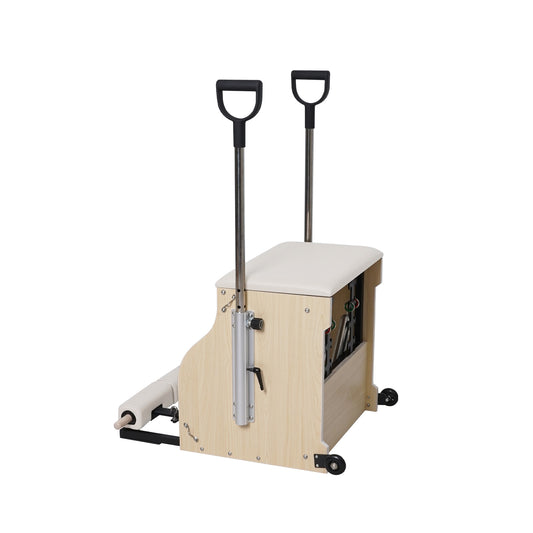
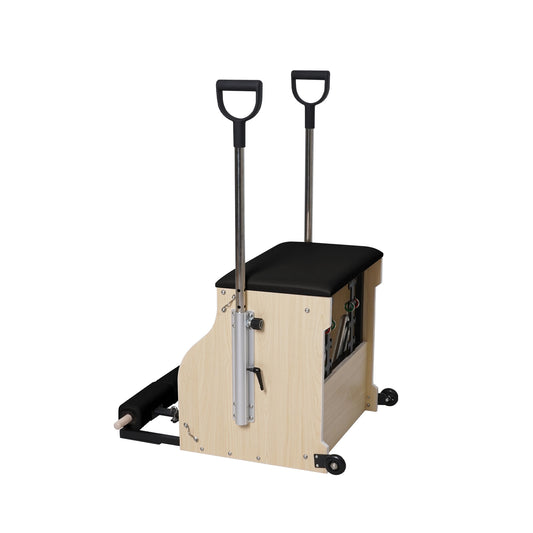
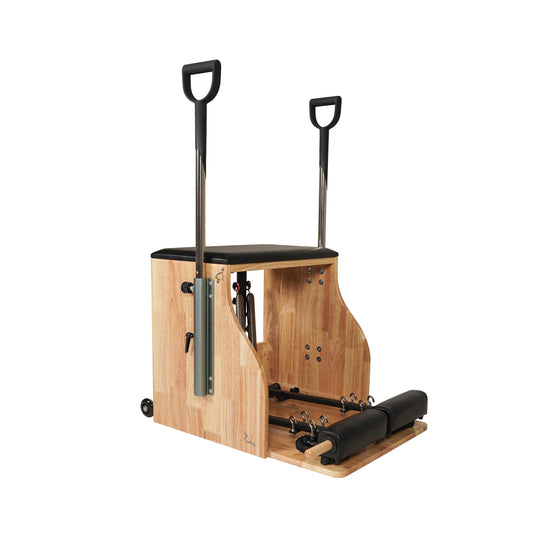
A Pilates Combo Chair brings adjustable spring resistance, split-pedal movement and supportive handles together in one compact apparatus. The 1GKU collection includes wooden Combo Chairs made with oak or maple frames and offered in a range of finishes for different training spaces and interior styles.

Browse the collection above to compare available models, colors and prices. Each product page provides model-specific information to help you choose the Pilates Combo Chair that best fits your space and training preferences.

What Is a Pilates Combo Chair?

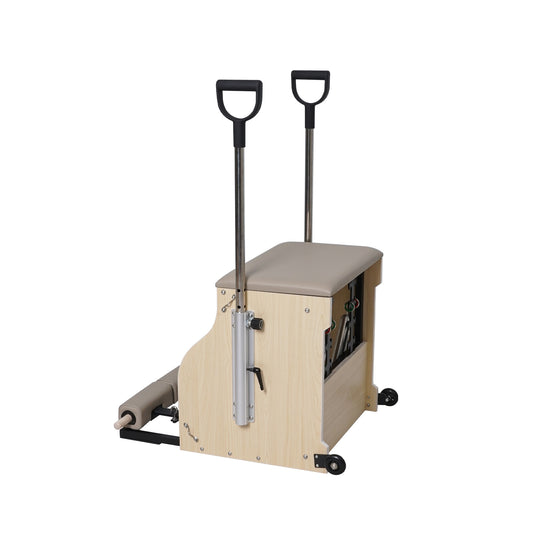
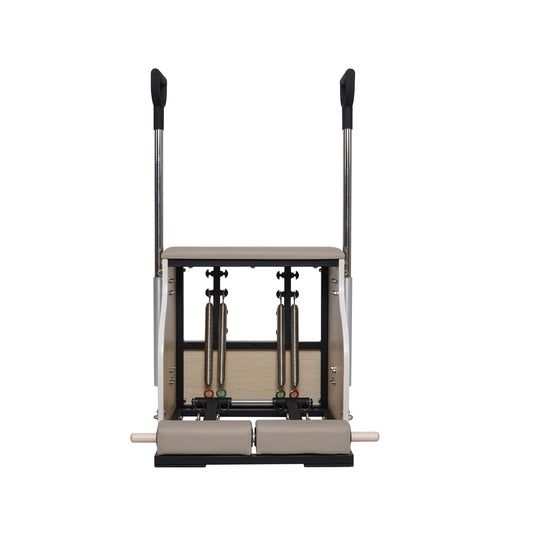
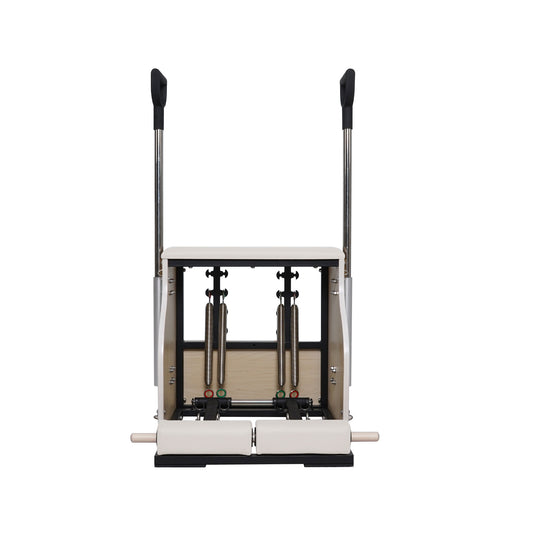
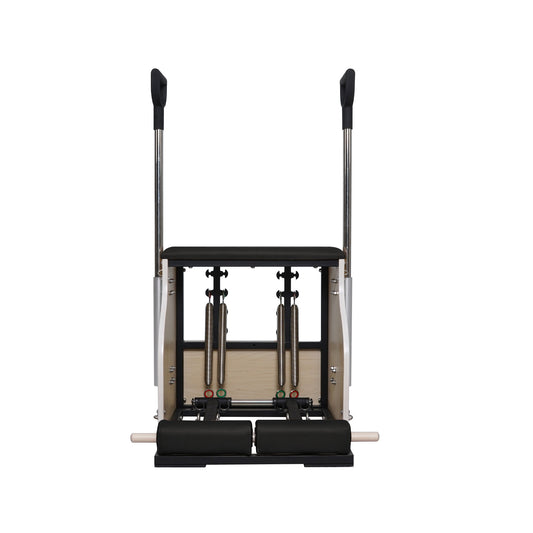
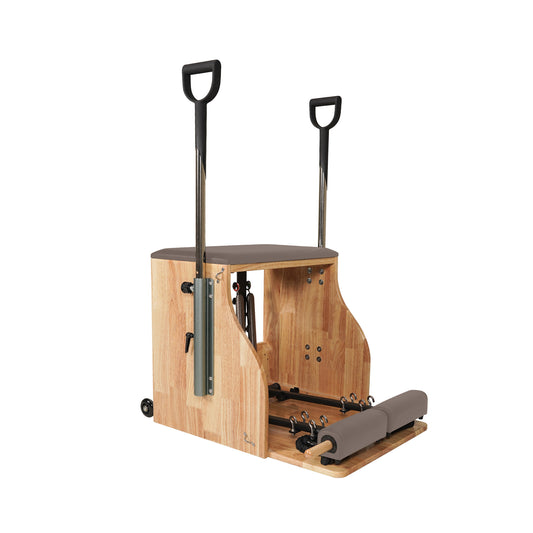
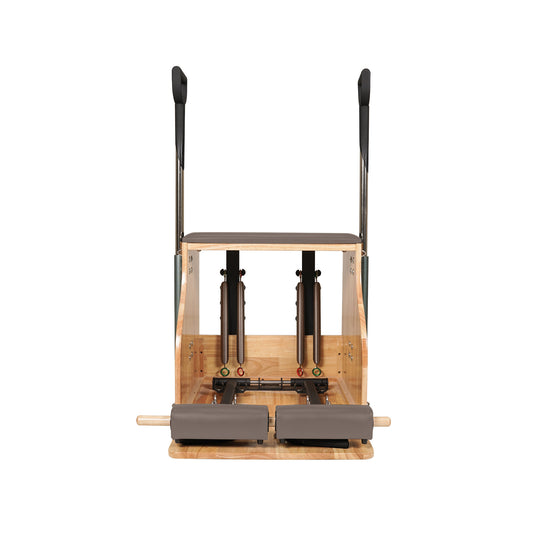
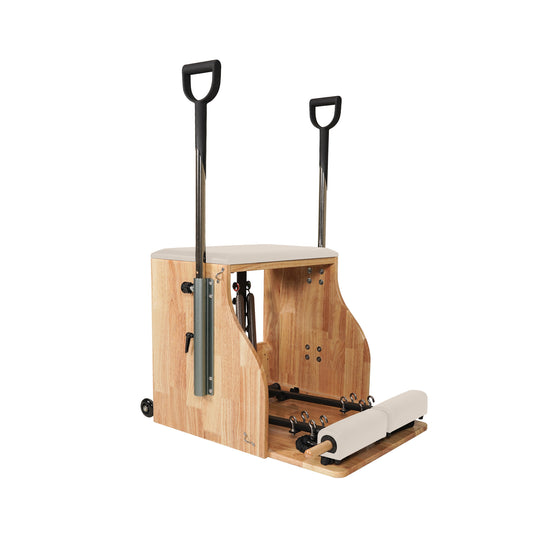
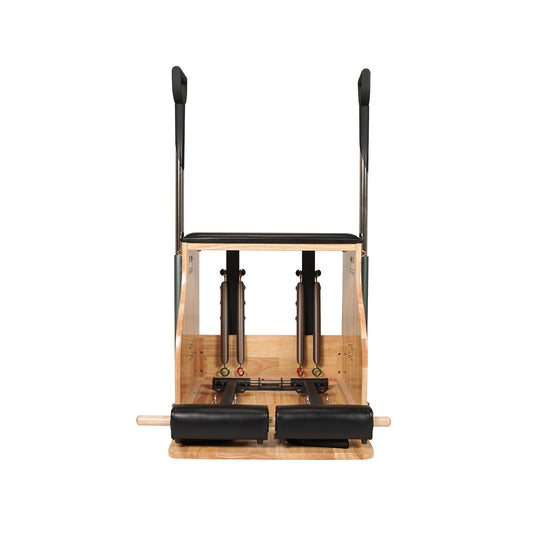
A Pilates Combo Chair is a spring-resistance apparatus developed from the traditional Wunda Chair. Its defining feature is a split pedal that allows the two sides to move independently. When the pedals are connected, they can also operate together as a single pedal.

This combination supports bilateral and unilateral movement without requiring a large piece of equipment. Adjustable springs change the resistance at the pedals, while removable handles provide additional support for exercises performed beside, behind or above the chair.

Because dimensions and adjustment systems can vary between models, compare the individual product specifications before purchasing.

Split Pedals for Independent or Connected Movement

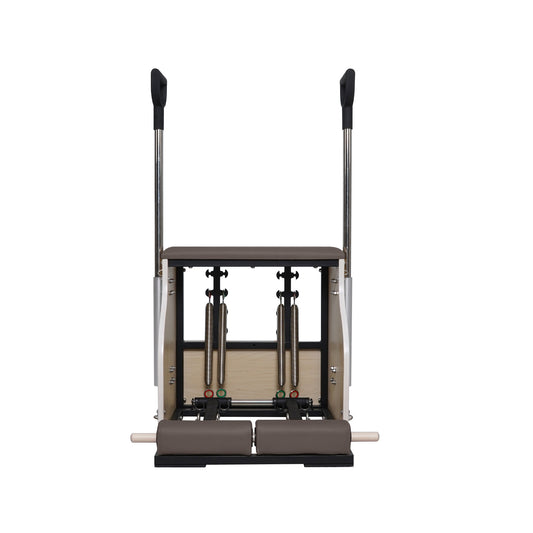
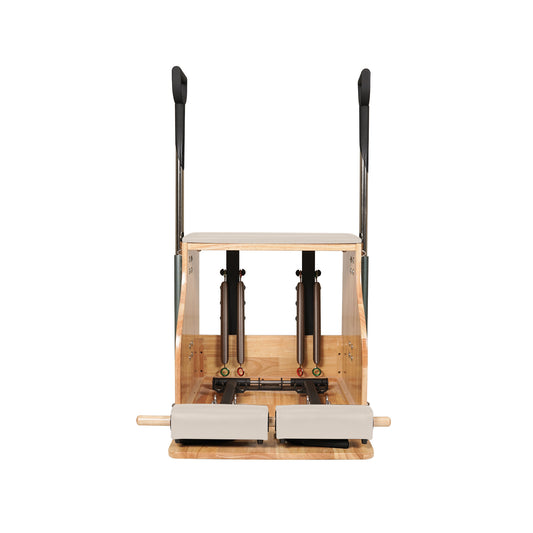
The split-pedal design is one of the most important features to compare when buying a Pilates Combo Chair. Independent pedal movement makes it possible to work one side at a time or use different movement patterns on each side.

When a connected pedal is preferred, the two sides can be joined using the pedal connector. This gives the chair both split-pedal and single-pedal functionality in one apparatus.

This structure distinguishes a Combo Chair from a basic chair that uses only one fixed pedal. Before use, confirm that the pedals and connector are securely positioned and follow the setup instructions supplied with the selected model.

Four-Spring Adjustable Resistance

1GKU Pilates Combo Chairs use four springs to provide adjustable pedal resistance. Changing the spring setup alters how much assistance or resistance the pedals provide during movement.

Spring selection depends on the exercise, the position of the body and the user’s experience. More spring tension is not automatically more difficult in every exercise, because springs can either resist movement or provide assistance.

Always change springs while the pedal is supported and stationary. Inspect the springs and attachment points regularly, and replace worn components before using the chair again.

Removable and Adjustable Handles

Adjustable handles provide additional contact and support during standing, balance-focused and transitional exercises. They can be repositioned to accommodate different exercises and user heights, or removed when an open side area is required.

Before beginning an exercise, make sure both handles are set to the same height and fully secured. The exact number of handle positions may vary by product, so use the specifications on the individual product page when comparing models.

For buyers choosing between several Combo Chairs, handle height, locking method and removability should be considered alongside pedal and spring settings.

Oak or Maple Pilates Combo Chair: Which Should You Choose?

The 1GKU collection includes both oak and maple Pilates Combo Chairs. The main visible difference is the appearance of the wooden frame and the finishes available within each group.

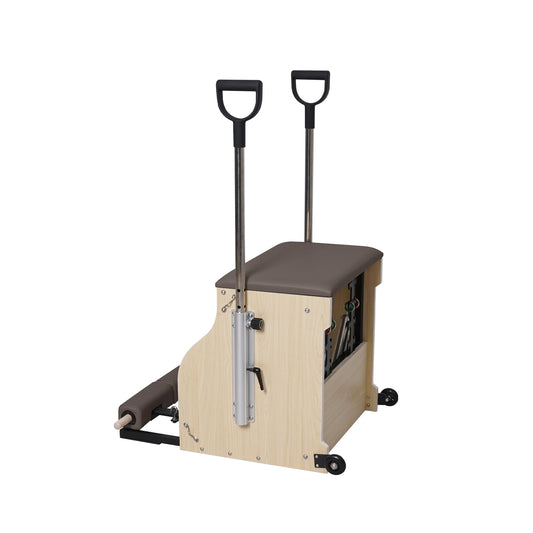
Oak models are available in Brown, White and Black. Maple models are available in Mocha, Latte, White and Black. This makes it possible to coordinate the chair with existing Pilates equipment, flooring or studio furniture.

When comparing oak and maple models, review more than color alone. Check the exact dimensions, product weight, handle adjustment, included components, assembly requirements and warranty shown on each product page. If the functional specifications are identical, the final choice may primarily depend on wood appearance, finish and price.

Pilates Combo Chair vs. Wunda Chair

The terms “Combo Chair” and “Wunda Chair” are sometimes used interchangeably by retailers, but they do not always describe exactly the same configuration.

A traditional Wunda Chair is generally associated with a compact frame and a spring-loaded pedal. A Pilates Combo Chair expands this format by adding features such as split pedals, a pedal connector and adjustable handles.

The products in this collection are optimized as Combo Chairs because their split pedals can be used independently or connected, and the removable handles provide additional exercise configurations. Customers looking for a Wunda-style chair with these added features may therefore find a Combo Chair more suitable than a basic single-pedal model.

How to Choose the Right Pilates Combo Chair

Before buying, compare the following details:

  • Frame material: choose between available oak and maple models.
  • Finish: select a color that works with your room and existing equipment.
  • Pedal system: confirm that the pedals can operate independently and together.
  • Springs: review the included springs and available attachment positions.
  • Handles: check the adjustment range, locking system and whether they are removable.
  • Dimensions: measure the equipment area as well as the clearance required around it.
  • Product weight: consider how the chair will be moved and positioned.
  • Assembly: confirm which parts must be installed after delivery.
  • Warranty: check coverage for the frame, springs, upholstery and moving parts.
  • Replacement parts: confirm the availability of springs, handles and pedal components.

The best Pilates Combo Chair is not simply the model with the greatest number of adjustments. It should match the user’s training method, available space and preferred setup.

Pilates Combo Chairs for Home and Studio Spaces

A Combo Chair has a smaller footprint than many full-size Pilates apparatuses, but buyers should still measure the complete exercise area rather than only the dimensions of the frame.

For home use, consider the delivery route, door width, flooring, assembly and the clearance needed for standing and side-facing movements. For studio use, consider adjustment speed, cleaning, expected frequency of use and access to replacement components.

Commercial buyers should confirm that their intended usage is covered by the applicable warranty before ordering.

Pilates Combo Chair FAQs

What makes a chair a Pilates Combo Chair?

A Combo Chair combines a spring-loaded chair design with additional features such as split pedals, a pedal connector and adjustable handles. Exact configurations vary by manufacturer and model.

Can the two pedals move independently?

Yes. The split pedals on the 1GKU Combo Chair models can be used independently. They can also be connected when synchronized pedal movement is required.

How many springs are included?

The current 1GKU Combo Chair design uses four springs. Check the selected product page for model-specific spring and attachment information.

Are the handles removable?

The handles are designed to be adjustable and removable. Always make sure they are correctly positioned and locked before use.

Should I choose an oak or maple Combo Chair?

Choose by comparing appearance, finish, price and the specifications of the individual models. Oak and maple models are available in different color combinations.

How much space does a Pilates Combo Chair need?

Use the exact product dimensions as the starting point, then allow additional clearance around the chair for the exercises you intend to perform. Required training space will be larger than the chair’s physical footprint.

Does the chair require assembly?

Assembly requirements may vary by model. Review the product page and delivery documentation before ordering.

Can beginners use a Pilates Combo Chair?

A Combo Chair uses springs, moving pedals and elevated positions. New users should learn equipment setup and movement technique from a qualified Pilates instructor before practicing independently.